









Frequently asked questions
Egg Freezing – Not a Trend, but a Strategic Investment in a Woman’s Future
Modern women are increasingly choosing to plan their future proactively—including decisions about building a family. One of the most effective and reliable ways to preserve the possibility of becoming a mother later in life is egg freezing. Dr. Zane Vītiņa, Head of the Embrions Clinic and reproductive gynecologist, explains how the process works.
Egg freezing is a globally recognized, safe method that allows women to preserve their reproductive cells at the time when they are of the highest quality—typically between the ages of 20 and 35. This procedure provides an opportunity to use one’s own eggs in the future, increasing the chances of a successful pregnancy even if fertility has declined.
“More women are choosing this option—not because they don’t want children, but because they want to secure their freedom of choice for the future,” notes reproductive gynecologist Dr. Zane Vītiņa. It is a way to preserve fertility until the woman feels ready for motherhood—emotionally, physically, and socially. “In today’s fast-paced world, where education and career goals often come first, many women consider having children only when fertility has already declined—when donor eggs become the only option for medical fertilization. Sometimes the most important decisions are those we make today while thinking ahead. I encourage women to consider preserving their reproductive cells for the future,” says Dr. Vītiņa.
How Egg Freezing Works
Before the procedure, a comprehensive health and hormonal assessment is performed. A reproductive specialist reviews the patient’s medical history, conducts an ultrasound exam, and evaluates hormone levels to determine ovarian reserve and select the most appropriate stimulation protocol.
To obtain multiple mature eggs in one cycle, the patient undergoes a 10–12-day stimulation therapy. During this period, regular ultrasounds are performed to monitor the ovaries’ response. Once the eggs are mature, the reproductive gynecologist performs a short and safe procedure—follicular puncture. It is carried out under intravenous anesthesia, lasts about 15–20 minutes, and the patient can return home a few hours later.
The collected eggs are rapidly frozen in the laboratory using vitrification, a modern technique that ensures exceptionally high cell survival rates. They are stored in liquid nitrogen under controlled conditions until the woman decides to use them.
Egg Freezing Is Particularly Suitable For:
- Women who do not wish to have children now but want to keep the option open for the future
- Women with a family history of early menopause
- Women undergoing cancer treatment that may affect fertility
- Patients with conditions associated with reduced ovarian reserve, such as endometriosis
- Women who are not currently in a stable relationship but wish to become mothers later in life
Women worldwide are choosing egg freezing as part of their long-term life planning. In Latvia too, attitudes toward fertility preservation are becoming increasingly open and informed.
Fertility is not just a matter of “good luck” — it is significantly influenced by our daily habits, environment, and overall health. Below are practical, evidence-based recommendations men can begin implementing today to enhance spermatogenesis, reduce oxidative stress, and support hormonal balance. These steps can help improve the chances of conception — both naturally and with medical assistance if needed.
Lifestyle and Habits
Quit smoking and vaping
Tobacco smoke and vapor from electronic cigarettes contain harmful substances (e.g., heavy metals, aldehydes) that negatively affect sperm quality, motility, and DNA integrity, ultimately reducing fertility.
Tip: Set a specific quit date, consider nicotine replacement therapy, and schedule a consultation with a GP or psychologist for support.
Minimize alcohol consumption
Alcohol disrupts the endocrine system, reducing testosterone production, which plays a crucial role in healthy spermatogenesis and male reproductive function.
Tip: Limit alcohol to 0–2 drinks per week or abstain entirely for at least 3 months — the duration of a full spermatogenesis cycle (approx. 64–75 days).
Avoid hot baths, saunas, and tight-fitting underwear
The testes require a temperature 1–2°C lower than body temperature to function optimally. Prolonged exposure to heat above 37°C can impair sperm production. Avoid heat exposure in the groin area for more than 30 minutes per week.
Tip: Don’t sit on heated car seats for extended periods, avoid placing laptops on your lap, and choose loose-fitting cotton underwear.
Get screened for sexually transmitted infections (STIs)
Asymptomatic or mild infections (e.g., chlamydia) can cause chronic inflammation and scarring of the reproductive ducts, increasing the risk of infertility over time.
Tip: Get tested if you’ve had more than one partner in the past year, had unprotected sex, or are experiencing symptoms such as discomfort, discharge, or pain.
Manage stress and improve sleep quality
Chronic stress and sleep disturbances reduce testosterone levels and negatively affect sperm quality and count. Maintain a balanced daily routine and aim for 7–8 hours of quality sleep.
Tip: Practice daily breathing exercises (10–15 min), limit screen time at least one hour before bed, and keep a consistent sleep schedule — even on weekends.
Exercise regularly in fresh air
Moderate physical activity 2–3 times per week helps maintain a healthy weight, supports metabolism, and reduces the impact of stress. Sedentary behavior and obesity are known risk factors for male infertility.
Tip: Aim for 150–300 minutes of moderate activity per week (e.g. brisk walking, jogging, swimming), combined with two weekly strength training sessions. Avoid anabolic steroids.
Limit caffeine intake
Excessive caffeine stimulates adrenal glands, increasing stress hormones that can impair reproductive function.
Tip: No more than 200 mg of caffeine per day (≈1–2 cups of black coffee). Replace some coffee with water or decaffeinated alternatives. Avoid energy drinks altogether.
Stay hydrated
Optimal sperm production requires 2.0–2.5 liters of water per day (depending on body mass and activity level). Semen is composed of approximately 80% fluid, and dehydration can reduce its volume and quality.
Tip: Carry a reusable water bottle and aim for pale straw-colored urine as a sign of proper hydration.
Maintain a regular sexual rhythm
Ejaculation is recommended at least twice per week. Long abstinence can decrease sperm motility and increase DNA fragmentation, while overly frequent ejaculation may reduce sperm concentration. Optimal recovery time is around 48 hours.
Tip: Avoid using lubricants, as many contain substances harmful to sperm viability.
Nutrition and Micronutrients
Eat fatty fish regularly
Fatty fish are rich in omega-3 polyunsaturated fatty acids, which support spermatogenesis, enhance sperm motility, and improve cell membrane integrity.
Tip: Include 2–3 servings per week of fish like mackerel, salmon, sardines, or herring. If fish is not a regular part of your diet, consider omega-3 supplements.
Include a variety of vegetables and fruits
Fruits and vegetables are rich in vitamins, antioxidants, and essential minerals that support spermatogenesis and can increase sperm count and motility.
Tip: Aim for “5+ servings per day” in various colors — dark leafy greens, berries, citrus fruits.
Ensure adequate zinc and folic acid intake
Zinc is crucial for testosterone synthesis and normal sperm development. It’s found in meat, fish, and eggs. Folic acid is essential for DNA synthesis and cell division. Deficiency may reduce sperm count by up to 90%.
Tip: Include leafy greens, legumes, and whole grains in your diet. If deficiency is suspected, consider blood testing and folic acid supplementation.
Build your diet around antioxidants
A balanced diet rich in fiber, healthy fats, and antioxidants is the foundation of good sperm health. Valuable sources include whole grains, lean poultry, seafood, shellfish, low-fat dairy, and foods rich in beta-carotene, selenium, lycopene, and folates.
Tip: Follow a “Mediterranean-style” diet — olive oil, nuts, seeds, and plenty of vegetables.
Habits That Impair Sperm Production — Limit or Avoid:
Frequent consumption of the following may negatively affect spermatogenesis:
- Excess caffeine or alcohol
- Sugary drinks
- Processed red meat
- Trans fats (margarines, industrial baked goods)
- Saturated fats (pork, beef, lamb, whole milk, butter)
- Excessive soy products
- Fried foods (e.g., French fries)
- High-fat cheeses and full-fat dairy
Tip: Review your grocery habits — choose more organic and fresh products, and reduce “ready-to-eat” or highly processed foods.
Treatment Innovations in Assisted Reproduction
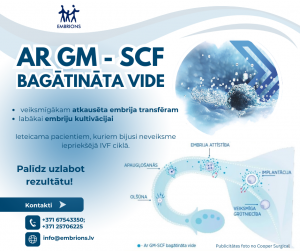
Clinic Embrions offers the latest innovations in assisted reproduction designed to improve treatment outcomes. These technologies allow us to support couples more accurately, safely, and effectively on their journey toward the long-awaited arrival of a child.
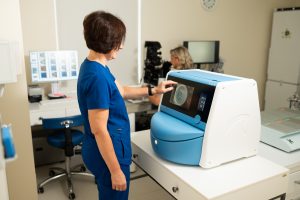
Embryo Development Monitoring with the Time-Lapse Incubator EmbryoScope
Why use the EmbryoScope?
At Clinic Embrions, we provide one of the most advanced technologies in infertility treatment — the time-lapse incubator EmbryoScope. This innovation enables our specialists to maintain a maximally safe, natural, and carefully controlled environment for embryo development, significantly improving the chances of a successful pregnancy.
Key Benefits
Continuous 24/7 Embryo Monitoring
The EmbryoScope allows embryos to be observed continuously without removing them from the incubator. This ensures stable temperature, optimal pH, and ideal growth conditions — everything necessary for high-quality embryo development.
More Precise and Safer Embryo Selection
Time-lapse technology provides embryologists with detailed information about every stage of embryo development. By observing all cell division phases, we can more accurately select embryos with the highest implantation potential.
Higher Chance of Achieving a Successful Pregnancy Faster
Embryo selection based on detailed developmental data helps improve treatment efficiency, increasing the likelihood of pregnancy and reducing the risk of complications.
“Less Stress” for Embryos
Embryos remain in a stable, undisturbed environment throughout the cultivation period. This continuous care mimics natural development and reduces the impact of external factors.
Safer Single Embryo Transfer Strategy
With more precise embryo selection, it is often possible to safely choose a single, high-quality embryo.
The EmbryoScope is one of the technologies that helps us move step by step toward your dream of building a family.
Sperm preparation in a microfluidic membrane chamber is a modern and highly effective method for selecting high-quality sperm cells, used in assisted reproduction procedures. Its purpose is to obtain the healthiest possible sperm — with optimal motility, morphology, and genetic integrity — to increase the likelihood of successful fertilisation and healthy embryo development.
How Does the Microfluidic Membrane Method Work?
The microfluidic membrane chamber functions as an intelligent, biologically adapted filtration system. The method is based on the natural motility of sperm cells and their ability to move through fluid streams within the device’s microchannels, which mimic the conditions of the female reproductive tract.
As a result, only the most functional and high-quality sperm cells can pass through the membrane:
• with strong motility,
• with superior morphology,
• with a lower level of DNA fragmentation.
Why Is Sperm Preparation in a Microfluidic Membrane Chamber Necessary?
Higher quality of selected sperm
• The method helps isolate sperm with better motility and morphology — essential factors for successful fertilisation and embryo development.
Reduced risk of DNA damage
• Microfluidic filtration is particularly recommended when an elevated DNA fragmentation index is detected. Selected sperm typically show lower DNA damage, which may positively impact both conception and pregnancy progression.
A selection process closer to nature
• The method mimics the natural journey of sperm within the female reproductive system, allowing only the strongest cells to progress. This ensures a more biologically accurate selection compared to some mechanical methods.
Improved preparation for procedures
• Prior to sperm injection into the oocyte (ICSI), selecting the healthiest possible sperm is crucial. The microfluidic method enhances both the precision and safety of this selection.
Potential for improved treatment outcomes
• Higher-quality sperm can increase the chances of successful fertilisation and support the development of a healthy embryo.
The Microfluidic Membrane Method — A Step Closer to a Successful Pregnancy
By enabling the selection of only the best sperm cells, this method enhances the effectiveness of assisted reproduction and increases a couple’s chances of achieving the long-awaited pregnancy.
Oocyte activation is a specialised laboratory method used during ICSI procedures in assisted reproduction. The technique is based on creating artificial stimuli that mimic the natural physiological processes triggered when a sperm cell enters the oocyte. These stimuli initiate fertilisation and support the early stages of embryo development.
In some cases, even after ICSI, the oocyte does not receive a sufficiently strong activation signal — or activation does not occur at all. In such situations, oocyte activation is used to ensure fertilisation and promote normal embryo development.
Why Is Oocyte Activation Necessary?
Previous fertilisation failure
For some couples, fertilisation may not occur even after an ICSI procedure. This indicates that the oocyte did not receive an adequate activation signal from the sperm.
Sperm-related activation deficiencies
Certain sperm quality or functional issues can prevent the sperm from naturally triggering the oocyte activation process. Oocyte activation helps compensate for this deficiency.
Reduced oocyte activation capacity
In some cases, the oocyte itself may have a diminished ability to respond to activation. This may be related to the woman’s age, individual characteristics, or other biological factors.
Use of frozen–thawed oocytes
The thawing process can occasionally affect the oocyte’s natural activation potential, making additional activation necessary.
What Are the Benefits of Oocyte Activation?
- Increases the likelihood of successful fertilisation
• Provides an opportunity to continue treatment when previous fertilisation attempts have failed
• Supports the initiation of embryo development when it is hindered by sperm or oocyte functional issues
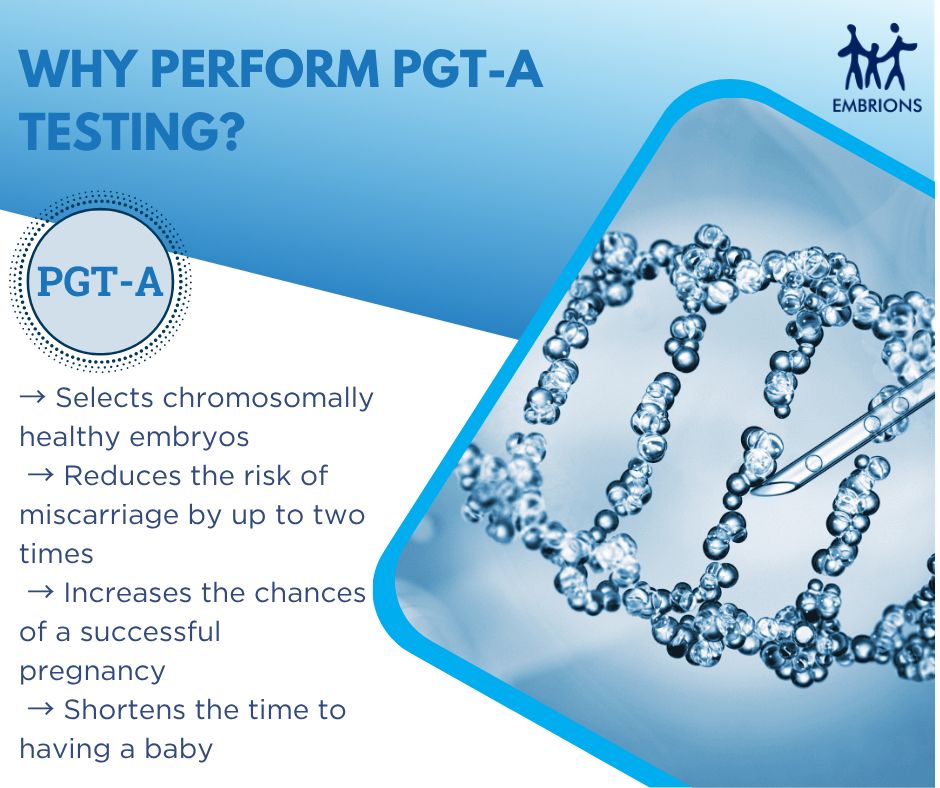
- Select chromosomally healthy embryos
- Reduce the risk of miscarriage by up to 2 times
- Increase the chances of a successful pregnancy
- Shorten the time to having a baby
The sperm DNA fragmentation result is expressed as a percentage and represents the proportion of sperm cells with DNA damage.
- <15% — high fertility potential;
- ≥15% to <30% — intermediate fertility potential;
- ≥30% — low fertility potential.
- A single result does not, by itself, determine whether a man is fertile or infertile. The result should always be interpreted together with the semen analysis findings, the couple’s reproductive situation, and other clinical factors.
FUNCTIONAL SEMEN TESTS
A semen analysis (spermogram) is the first and main examination used to assess male fertility. It provides information about ejaculate volume, sperm count, motility, morphology, and other parameters. However, a semen analysis does not reveal all sperm characteristics. Therefore, even when the basic semen analysis parameters are within the normal range, a more in-depth assessment of sperm function may be necessary in certain cases.
Functional semen tests provide additional information about:
- immunological factors that may interfere with sperm function;
- sperm functional maturity;
- sperm DNA integrity;
- the level of oxidative stress in semen.
These tests do not replace a semen analysis and are not necessary for every man. Their necessity is assessed by a reproductive health specialist, taking into account the couple’s reproductive situation, the duration of infertility, and the results of other examinations.
At the “Embrions” Reproductive Medicine Centre, functional semen tests are performed together with a semen analysis.
MAR TEST
The MAR test (Mixed Antiglobulin Reaction) helps detect antisperm antibodies located on the surface of sperm cells.
In some cases, the immune system produces antibodies against the body’s own sperm cells. If a large proportion of motile sperm cells are coated with these antibodies, they can significantly impair sperm motility in the female reproductive tract and their ability to fertilize an egg.
The MAR test determines what proportion of motile sperm cells are bound to IgG and/or IgA class antisperm antibodies.
The MAR test may be considered when a semen analysis shows pronounced sperm agglutination, when there has previously been an injury to the testicles or scrotum, after inguinal or scrotal surgery, when obstruction of the vas deferens is suspected, as well as after vasectomy or vasectomy reversal.
The test may also be useful when a physician suspects immunological male-factor infertility.
The MAR test requires a sufficient number of motile sperm cells. If there are very few motile sperm cells, it may not be possible to perform the test reliably.
The result is reported as the percentage of motile sperm cells on whose surface antisperm antibodies are detected. The clinical significance of the result should be assessed together with the semen analysis findings and the patient’s overall reproductive situation.
A positive MAR test by itself does not mean infertility.
HBA TEST
The HBA test (Hyaluronan Binding Assay) assesses the ability of sperm cells to bind to hyaluronic acid.
Hyaluronic acid is a natural component of the environment surrounding the egg. The ability of sperm cells to bind to hyaluronic acid is associated with their functional maturity. The HBA test determines what proportion of motile sperm cells are able to bind to hyaluronic acid. This ability is associated with the functional maturity of the sperm cell and its readiness to participate in the fertilization process.
Sperm cells that are able to bind to hyaluronic acid more often demonstrate characteristics associated with mature sperm cells, including better membrane function. Therefore, the test provides additional information about sperm functional quality that cannot be fully assessed by a standard semen analysis alone.
However, it is important to understand that the HBA test is not a direct test of sperm DNA quality and does not show whether a particular sperm cell will necessarily be able to fertilize an egg. It also cannot, on its own, predict the likelihood of spontaneous pregnancy or the outcome of assisted reproductive treatment.
The HBA test is an additional examination, and its usefulness is assessed individually by a reproductive health specialist, particularly when a more in-depth evaluation of sperm function is needed or assisted reproductive treatment is being planned.
SPERM DNA FRAGMENTATION TEST
A sperm cell delivers its genetic information to the egg, contained within deoxyribonucleic acid (DNA). However, in some sperm cells, the DNA structure may be damaged or fragmented. The sperm DNA fragmentation test determines what proportion of sperm cells contain such DNA damage, providing additional information about the quality of the sperm’s genetic material and its ability to participate fully in fertilization and early embryo development.
Increased sperm DNA fragmentation is associated with a lower likelihood of spontaneous pregnancy, lower effectiveness of intrauterine insemination (IUI) and, in some cases, less favorable outcomes of assisted reproductive treatment. An increased level of DNA damage may also be associated with a higher risk of miscarriage and recurrent pregnancy loss.
Sperm DNA fragmentation testing may be considered in cases of unexplained infertility, including when the basic semen analysis parameters are within the normal range, as well as in cases of recurrent miscarriage or unsuccessful IVF and ICSI attempts. The test may also be useful for selected patients with varicocele or in situations where several factors may increase the risk of sperm DNA damage.
Sperm DNA fragmentation can be influenced by a number of factors, including smoking, varicocele, chronic inflammation or infection, significant oxidative stress, prolonged or repeated exposure of the testicles to elevated temperatures, exposure to certain medications and toxic substances, as well as increasing male age.
If sperm DNA fragmentation is elevated, the first step is to identify its possible causes and address modifiable risk factors. A doctor may recommend stopping smoking, normalizing body weight, evaluating for varicocele, urogenital inflammation or infection, and reviewing medications and dietary supplements being used.
In some cases, it may be appropriate to repeat the test after risk factors have been addressed. Antioxidant supplementation is not necessary for every patient with elevated DNA fragmentation; therefore, its use should be considered individually based on the specific clinical situation.
How is the DNA fragmentation result interpreted?
The sperm DNA fragmentation result is expressed as a percentage and represents the proportion of sperm cells with DNA damage.
- <15% — high fertility potential;
- ≥15% to <30% — intermediate fertility potential;
- ≥30% — low fertility potential.
- A single result does not, by itself, determine whether a man is fertile or infertile. The result should always be interpreted together with the semen analysis findings, the couple’s reproductive situation, and other clinical factors.
SEMEN OXIDATIVE STRESS TEST
The semen oxidative stress test assesses the balance between oxidant activity and the antioxidant capacity of semen, helping to determine whether increased oxidative stress is present.
A small amount of reactive oxygen species (ROS), or free radicals, is necessary for normal sperm function. Oxidative stress occurs when the balance between oxidant production and the body’s antioxidant defense systems is disrupted, which can affect sperm quality and functionality.
Excessive oxidative stress damages the sperm cell membrane, impairs motility and other functional properties, and may contribute to sperm DNA damage, thereby negatively affecting overall semen quality and fertility potential.
Several factors can contribute to oxidative stress in semen, including smoking, excessive alcohol consumption, obesity and metabolic disorders, varicocele, urogenital inflammation, repeated overheating of the testicles, as well as exposure to certain toxic substances and adverse environmental factors.
At the “Embrions” Reproductive Medicine Centre, semen oxidative stress is assessed by measuring the seminal oxidation–reduction potential (sORP), which reflects the balance between oxidative processes and the antioxidant defense of semen. The greater the predominance of oxidants, the higher the level of oxidative stress.
The oxidative stress test is an additional examination, and its result alone does not determine male fertility or infertility. Therefore, it should be interpreted together with the results of the semen analysis, sperm DNA fragmentation test, and the patient’s overall clinical situation.
A reproductive health specialist may recommend one or more functional semen tests if a couple has been trying to conceive for an extended period without success, if the basic semen analysis parameters are abnormal, or if the cause of infertility remains unclear after the initial evaluation.
Additional tests may also be useful in cases of pronounced sperm agglutination, recurrent miscarriage, or multiple unsuccessful attempts at assisted reproductive treatment. They may be recommended before IVF or ICSI when a more in-depth assessment of sperm quality is needed, as well as in situations where there is an increased risk of sperm DNA damage or oxidative stress.
It is not necessary for every patient to undergo all functional semen tests. The tests should be selected individually, taking into account the couple’s reproductive situation, semen analysis results, and other risk factors.
The greatest value lies in those tests whose results, in a particular clinical situation, may help clarify the diagnosis and guide the most appropriate further treatment or assisted reproductive strategy.
To ensure that the test result is as accurate and comparable as possible, it is important to prepare properly before providing a semen sample.
(1) Abstain from ejaculation for 2–7 days, preferably 3–4 days
This means avoiding not only sexual intercourse or masturbation, but also any other sexual activity that results in ejaculation.
If the test is being repeated, it is preferable to maintain a similar abstinence period to the previous test, as the duration of abstinence can affect sperm concentration, total sperm count, and motility.
(2) Inform the clinic about any recent illness
Semen quality can be temporarily affected by fever, acute infection, more severe illness, surgery, or the use of certain medications.
An elevated body temperature is particularly relevant, as it can affect spermatogenesis for several weeks and, in some cases, even several months. Therefore, if you have had an illness accompanied by a high fever within the past 2–3 months, be sure to inform the clinic.
(3) Inform the specialist about medications and supplements you are taking
Before the semen examination, inform your reproductive health specialist about any prescription medications, antibiotics, hormonal preparations, including testosterone, anabolic steroids, and dietary supplements that you use regularly or have taken recently.
Certain substances can affect spermatogenesis and semen test results, so this information is important for the correct interpretation of the results.
Do not stop any medication on your own simply because you are scheduled to undergo a semen examination.
(4) Avoid alcohol and smoking
Before the semen examination, it is recommended to avoid alcohol and, whenever possible, nicotine in any form, including smoking, electronic cigarettes, and nicotine pouches, as both alcohol and nicotine can adversely affect sperm quality and contribute to oxidative stress.
(5) Avoid overheating of the testicles, excessive physical exertion, and prolonged stress
Before providing a semen sample, it is advisable to avoid visiting a sauna or steam bath, spending prolonged periods in a hot bath, or otherwise exposing the testicles to excessive heat.
Elevated temperature can temporarily affect sperm production, motility, and other semen quality parameters.
It is also advisable to avoid excessive physical exertion and intensive training.
Chronic stress and insufficient sleep may negatively affect hormonal balance and reproductive health. Therefore, before the examination, make sure you get adequate rest and good-quality sleep.
It is best to provide the semen sample at the clinic, in a specially designated private room located close to the laboratory, as this ensures optimal conditions for transporting and processing the sample. The sample is obtained by masturbation and collected directly into a special container provided by the laboratory.
Important points to follow:
- Try to collect the entire ejaculate, especially the first portion, which usually contains the highest concentration of sperm cells.
- If any part of the ejaculate is not collected, be sure to inform the laboratory specialist.
- Do not use lubricants, creams, oils, saliva, or other substances during sample collection, as they may affect sperm motility and other test parameters.
- Do not collect the semen sample using a regular condom, as it may contain substances that are harmful to sperm cells.
- If a lubricant or a special semen collection condom is required, use only a product that has been approved in advance by the laboratory and is safe for sperm cells.
- Do not transfer the ejaculate from a regular condom into the sample container.
- Record the exact time the sample was collected and the number of days of sexual abstinence.
At the “Embrions” Reproductive Medicine Centre, sample collection is carried out discreetly and confidentially, ensuring patient privacy, a calm environment, and suitable conditions for providing the semen sample.
In certain circumstances, a semen sample can also be collected at home, but this must be agreed with the clinic in advance.
In this case:
- Use a sample container provided by the laboratory or approved by the laboratory in advance.
- Record the exact time the sample was collected (ejaculation).
- Try to collect the entire ejaculate.
- Deliver the sample to the laboratory as soon as possible, but no later than 60 minutes after collection.
- During transportation, protect the sample from both cooling and overheating. Keep the container close to the body, preferably against the abdomen or in an inner pocket, to maintain as stable a temperature as possible.
- Do not place the sample in a refrigerator, expose it to direct sunlight, or artificially heat it.
Some specialized functional semen tests may require the sample to be delivered and processed in the laboratory particularly quickly. Therefore, always contact the clinic in advance before collecting a sample at home to clarify the specific requirements for the examination.
It is important to remember that no single semen analysis or functional semen test parameter can, by itself, determine whether a man is fertile or infertile.
The results should always be assessed as a whole, taking into account the semen analysis findings, the man’s age and general health, reproductive history and previous illnesses, potential risk factors, the duration of infertility, the female partner’s reproductive health and age, as well as previous pregnancies and outcomes of assisted reproductive treatment.
Therefore, it is recommended to discuss functional semen test results with your reproductive health specialist, who can assess their clinical significance in the specific situation and, if necessary, recommend further investigations or treatment.
BOOKING A SEMEN EXAMINATION
Semen sample collection at the “Embrions” Reproductive Medicine Centre is available by prior appointment.
“Embrions” Reproductive Medicine Centre Tālivalža iela 2A, Riga
📞 +371 67543350
📞 +371 25706225
The clinic’s specialists will provide information about the available examinations, help you choose the most appropriate test for your individual situation, and explain the procedure for providing a semen sample.
